Preventive Dentistry: Working Around Palatal Expanders and Other Appliances
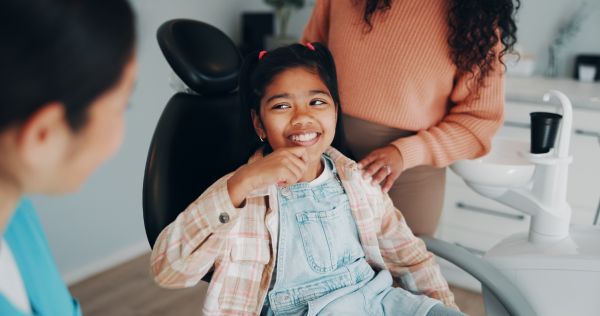
Preventive dentistry becomes especially important when patients wear palatal expanders, braces, retainers, or other orthodontic appliances that create additional spaces where food and plaque can collect. These devices can make brushing and flossing more challenging, but careful daily habits can help protect the teeth and gums throughout treatment. With the right techniques, patients can keep their mouths clean without damaging their appliances.
Why appliances require extra attention
Palatal expanders and other orthodontic devices contain small wires, bands, and attachments that can trap food particles. Plaque can build around these areas when patients do not clean them thoroughly, increasing the risk of cavities, gum irritation, and bad breath.
Preventive dentistry focuses on controlling this buildup before it causes larger problems. Patients may need to spend a little more time brushing and cleaning around the appliance than they did before treatment. A dentist can also identify areas that need extra attention during routine exams.
Adjust brushing around the appliance
Patients should brush carefully around every visible part of a palatal expander or other appliance. A soft-bristled toothbrush can clean the teeth, gumline, and hardware without irritating nearby tissue. Angling the brush toward bands and wires can help remove debris that collects along the edges.
Brushing after meals may also help when food frequently becomes trapped. Patients should avoid applying excessive pressure, since aggressive brushing can irritate the gums without improving cleanliness. Preventive dentistry works best when patients use consistent, gentle techniques each day.
Clean areas a toothbrush cannot reach
Flossing can require additional effort when an appliance blocks normal access between the teeth. Floss threaders, interdental brushes, or water flossers may help patients reach areas around wires and bands.
A dentist can demonstrate how to use these tools safely. Younger patients may need help from a parent or caregiver until they can clean around the appliance thoroughly on their own.
Watch what gets stuck
Certain foods can make orthodontic appliances harder to keep clean. Sticky foods may cling to wires or bands, while hard foods can damage parts of the appliance.
Patients should follow any dietary guidelines provided by their dental or orthodontic team. Cutting firm foods into smaller pieces and rinsing with water after meals can also reduce the amount of debris left behind. These simple habits support preventive dentistry between professional visits.
Keep up with routine dental visits
Orthodontic appointments do not replace regular dental checkups and cleanings. A dentist can remove plaque from difficult areas, check the gums, and look for early signs of decay while the appliance remains in place.
Routine visits also give patients a chance to ask questions about cleaning techniques or new areas of irritation. Preventive dentistry can help protect oral health throughout orthodontic treatment and make it easier to maintain healthy teeth once the appliance comes off.
Protect the smile during orthodontic treatment
Palatal expanders and other appliances can make daily cleaning more involved, but they do not have to compromise good oral health. Careful brushing, targeted cleaning tools, smart food choices, and regular dental visits can help patients protect their teeth and gums throughout treatment. For more information or to schedule an appointment, call our office.
Request an appointment here: https://kidzdentalhome.com or call Kidz Dental Home at (818) 477-4083 to schedule a consultation in our Northridge office.
Check out what others are saying about our services on Yelp: Preventive Dentistry in Northridge, CA.
Related Posts
A routine visit with a general dentist is called a dental checkup. These appointments are relatively straightforward. They offer powerful insight into your oral health and establish a baseline for the dentist when recommending preventative and corrective services. This baseline extends to how you care for your teeth at home. Knowing what to expect at…
Wondering whether regularly getting a dental checkup will save you money in the long run? Read on to learn more. According to data collected by the National Association of Dental Plans, about 77% of Americans have private dental insurance. Some procedures, like dental checkups, which is a form of preventive care, and cosmetic dentistry, may…
Wondering whether you really need to have a dental checkup regularly? Read on to learn more. Not everyone likes going to the dentist twice a year but it is an important appointment. If you think scheduling routine dental checkups and cleanings is unnecessary, knowing the benefits might change your mind. In some cases, people skip…
Inlays and onlays are effective cavity treatments for kids, particularly when traditional fillings are not enough to address damage and decay. They are made from durable materials such as ceramic or composite resin, offering a stronger, more aesthetically pleasing alternative. This guide explains when pediatric dentists recommend inlays and onlays, the advantages of their strength…