What Happens During a Pulpotomy for Kids?
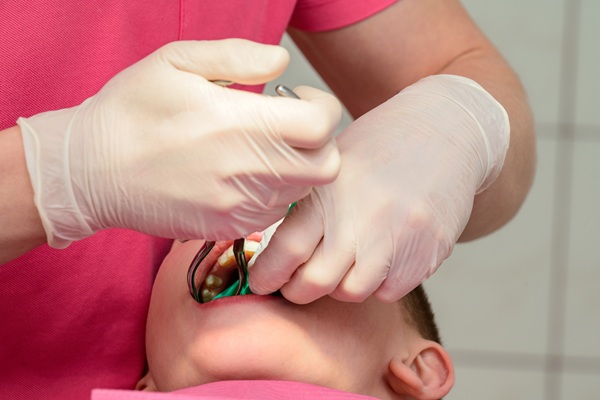
A pulpotomy is a common pediatric dental procedure that treats decay or infection in the nerve of a baby tooth while preserving the healthy portion of the tooth. When a cavity reaches the nerve chamber, simple fillings no longer provide enough protection. A pulpotomy allows the pediatric dentist to remove the diseased portion of the nerve, preserve the remaining healthy tissue, and maintain the tooth until it falls out naturally. Understanding what happens during the visit helps children and parents feel calmer and more prepared.
Why a pediatric dentist may recommend a pulpotomy
Baby teeth play an important role in guiding permanent teeth into the correct positions and supporting clear speech and normal chewing. When decay reaches the inner nerve tissue of a baby tooth, pain, sensitivity, or swelling may develop. A pulpotomy helps remove the irritated or infected tissue in the crown of the tooth while leaving the root nerves intact and functional. Without this treatment, the infection can spread deeper, create an abscess, or lead to early tooth loss. Losing a baby tooth too soon increases the risk of crowding, shifting, and future orthodontic problems. Therefore, preserving the tooth supports both immediate comfort and long-term dental development.
Understanding the pulpotomy process
Before recommending a pulpotomy, the pediatric dentist performs a thorough exam and often takes X-rays. These images show how deep the cavity extends and whether the roots and surrounding bone appear healthy. The dentist then confirms that saving the tooth is both possible and beneficial for the child's smile. If all checks out, the dentist will perform the procedure in a simple step-by-step process, including numbing, removing decay and treating pulp, and restoring the tooth with a crown.
Numbing
To ensure comfort, the dentist gently numbs the area around the tooth with a local anesthetic. They usually apply the topical gel first to make the injection more comfortable. Once the tooth and surrounding gum tissue feel numb, treatment can proceed without pain, allowing the child to relax during the procedure.
Removing decay and treating the pulp
The next step in a pulpotomy involves removing the decayed portion of the tooth. The dentist carefully opens the top of the tooth to access the nerve tissue in the crown. They only remove the damaged or inflamed pulp, while healthy tissue in the roots stays in place to continue nourishing the tooth.
After removing the affected tissue, the dentist places a special medicated material over the remaining pulp. This medication helps calm the nerves, reduce inflammation, and create a barrier against bacteria. The goal is to keep the tooth comfortable and infection-free so it can continue to function normally.
Restoring the tooth with a crown
Once the pulpotomy portion is complete, the tooth needs strong protection. Since a large amount of structure is usually affected by decay, a full-coverage crown often becomes the most suitable option. For baby teeth located in the back, a tooth-shaped crown (cap) commonly provides durable, long-lasting coverage that withstands chewing forces. The dentist cements it in place, allowing the natural tooth to receive support until it naturally falls out.
Schedule a consultation
A pulpotomy offers a child-focused way to save a badly decayed baby tooth, relieve pain, and protect normal growth and development. Is your child complaining of tooth pain or suspected of having a deep cavity? Contact Kidz Dental Home to schedule a consultation.
Request an appointment here: https://kidzdentalhome.com or call Kidz Dental Home at (818) 477-4083 for an appointment in our Northridge office.
Check out what others are saying about our services on Yelp: Read our Yelp reviews.
Related Posts
One method of plugging a gap between teeth is to use space maintainers. If your child is injured or loses their primary teeth before their permanent teeth have a chance to grow in, he or she risks developing dental problems if the resulting area between the teeth is not filled.In children, primary teeth grow before…
Pediatric dental care keeps children's smiles healthy as they grow up. Although baby teeth fall out, they play an important role in oral development. They hold space for adult teeth and, in the meantime, allow the child to eat and smile comfortably and confidently. A pediatric dentist can support your child's oral health by maintaining…
Wondering what a dentist for kids recommends for preventing cavities? Read on to learn more. Parents often have problems getting their kids to practice good oral hygiene. Children’s affinity for sugary treats can make them develop cavities, which can be painful. They can also be susceptible to other dental problems. You can talk to a…
Trying to teach your kids about oral hygiene can be tricky, but with a little help from your local children's dentist, you can make the process much easier and have them wanting to keep their teeth healthy on their own. It all starts with knowing how to teach them about oral hygiene and how to…